Only 55% of Americans Wake Up Well-Rested. Most Hotels Are Still Pretending That’s Not Their Problem.
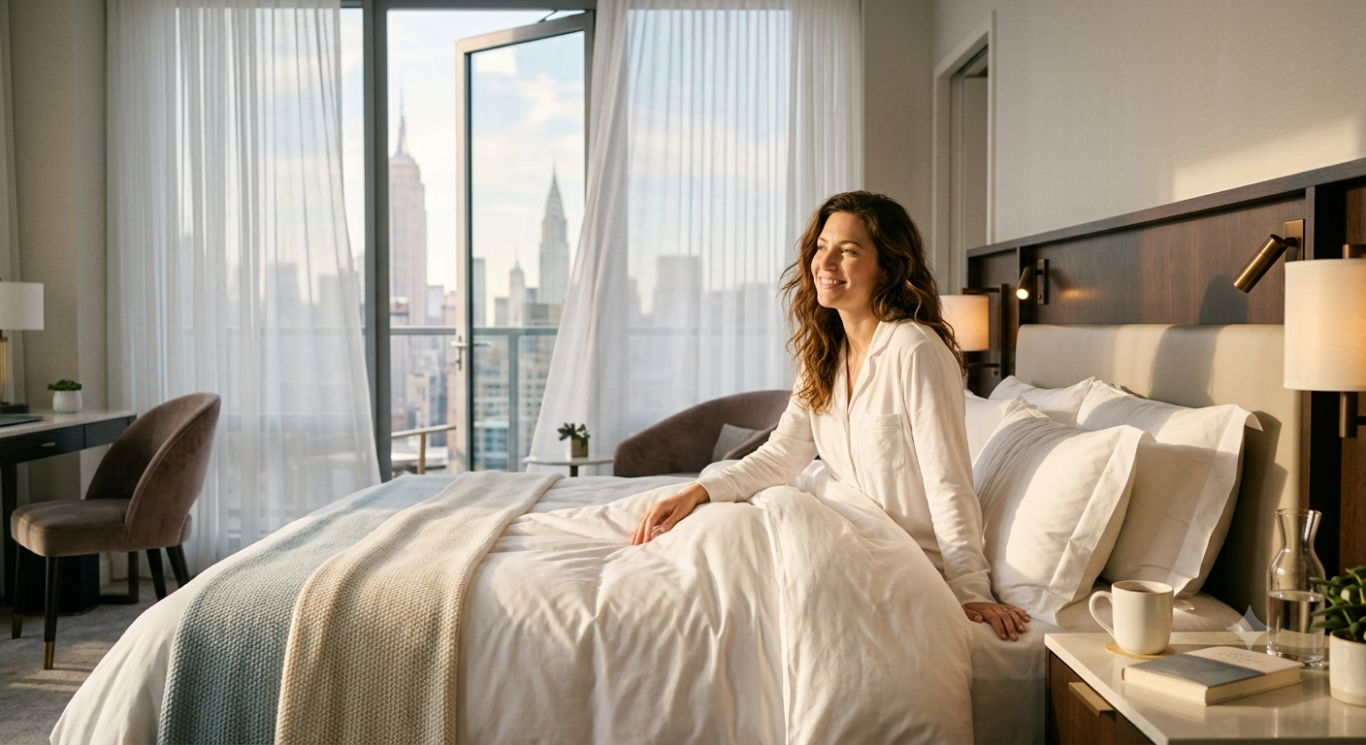
Are your rooms actually designed for rest, or are you just selling a bed?
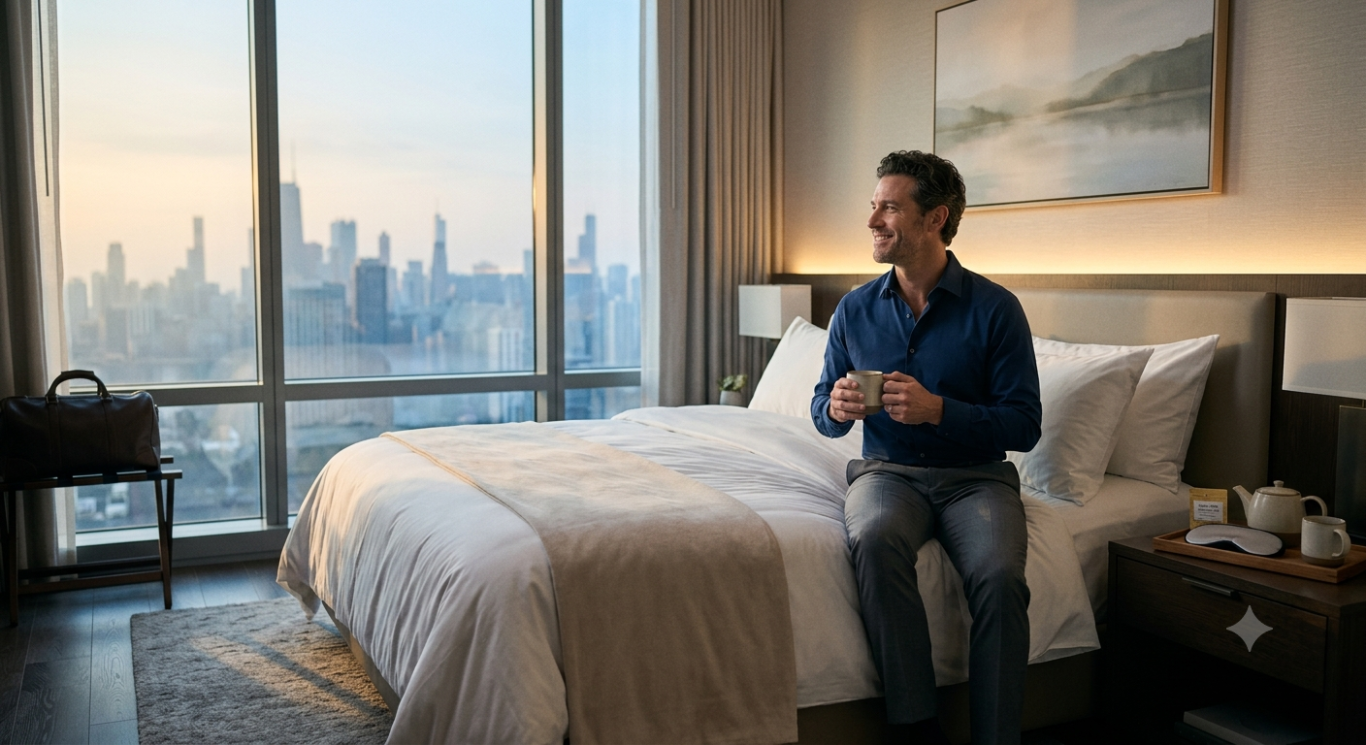
The numbers don’t lie. Only 54.8% of American adults feeling well-rested on most or every day, and nearly one in three averages less than seven hours of sleep per night. This isn’t just a wellness talking point. For the hospitality industry, it is a quiet but persistent drag on how guests perform, how they feel, and—ultimately—how they remember their stay.
When national media recently highlighted the stark contrast between these sobering CDC figures and the ultra-luxury "Sleep Lab" rooms at the Equinox Hotel New York, it did more than showcase a flashy new amenity. It exposed a widening gap that the rest of the industry has been slow to close.
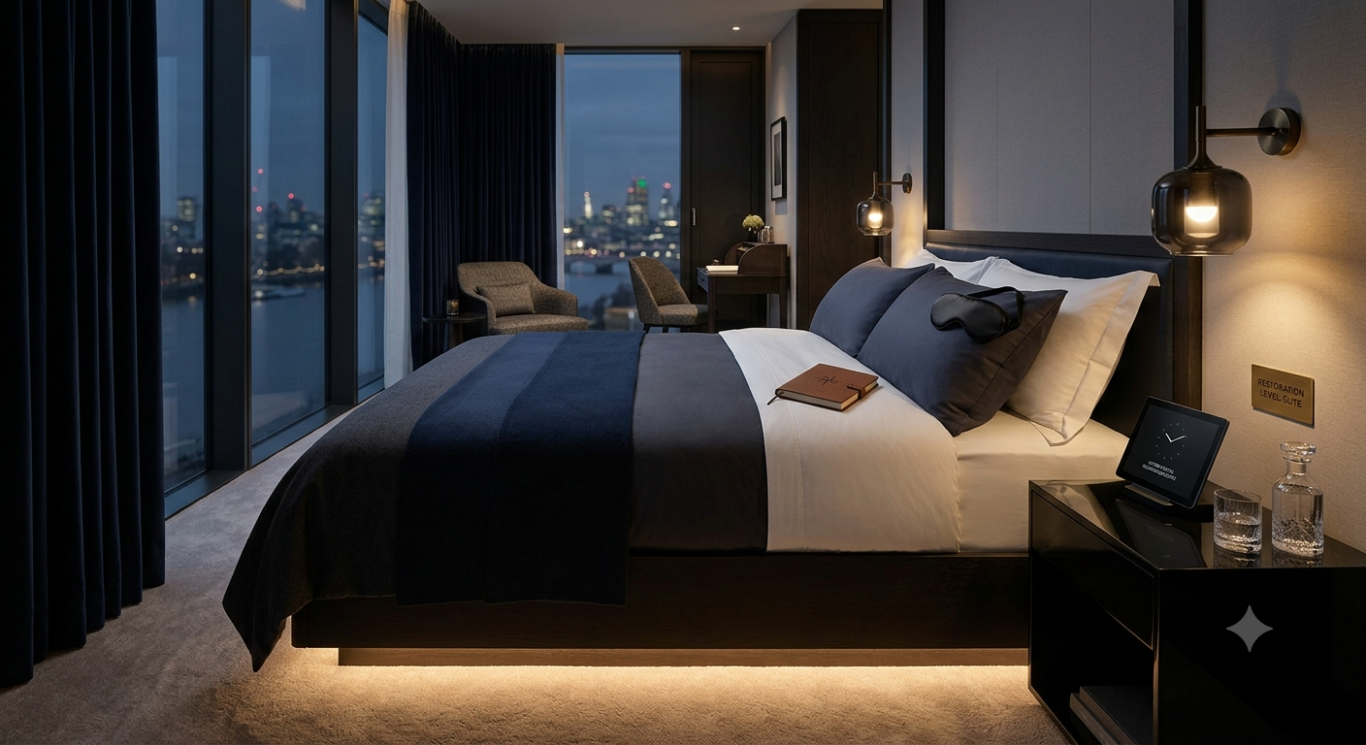
Equinox has built an impressive, high-spec recovery environment featuring adaptive mattresses, biometric tracking, circadian automation, and structured evening rituals—all at roughly $1,700 a night. The property proved something vital: a high-value segment of travelers is highly motivated to pay for meaningfully better rest.
The more critical question for the industry, however, is what everyone else is supposed to do with that information.
The Problem with the Luxury Playbook
The luxury sleep lab model is simply not the answer for most hotels. Attempting to copy a high-tech, clinical playbook at mid-market or select-service price points would be nothing more than expensive theater. Most operators do not have the capital, the physical footprint, or the guest profile to make that level of specialized investment pay off. Pretending otherwise is a waste of time and resources.
What actually matters is the deeper market signal underneath the spectacle.
A growing number of guests are arriving at hotels carrying chronic fatigue, and they are checking out carrying that exact same fatigue. When this pattern repeats, a hotel has failed at one of its most fundamental, historic promises: sending people back out into the world better than they arrived. This isn’t a luxury-only problem. It is an operational reality that plays out in business hotels, suburban select-service properties, and leisure resorts every single week.
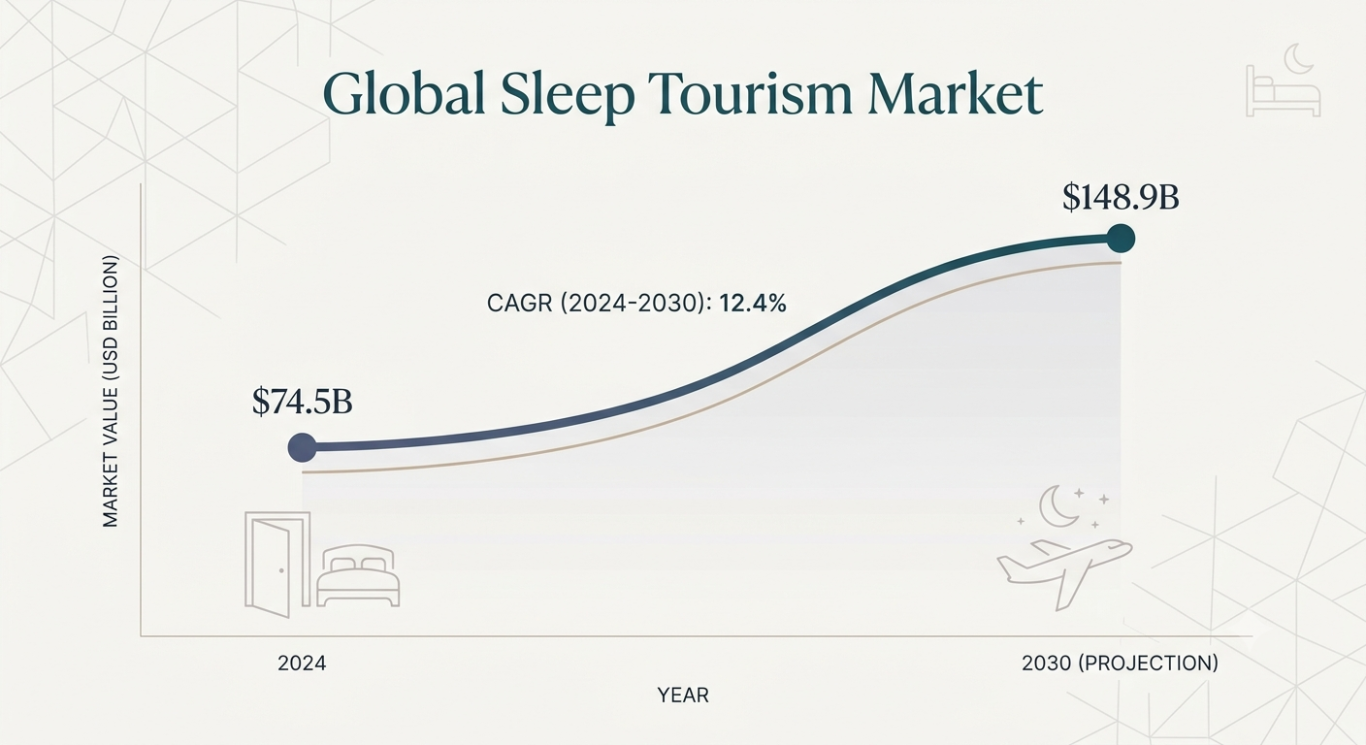
The commercial momentum behind this shift is now impossible to ignore. According to Grand View Research, the global sleep tourism market reached $74.5 billion in 2024, with primary sleep-focused trips projected to grow at an annual rate of 12.8% through 2030. Fortune Business Insights similarly tracked the rapid expansion, placing the market at $84.65 billion in 2025 and projecting it to hit $96.13 billion by 2026.
These figures sit inside a larger wellness tourism wave that continues to outpace general travel. Driven by post-pandemic lifestyle shifts, travelers are increasingly prioritizing physical restoration over hectic itineraries, and they are relying on ever-improving consumer sleep-tracking technology to measure the results. High-end hospitality experiments have raised the public's expectations of what a hotel room can do. Now, everyday business and leisure travelers are starting to demand those same restorative results wherever they book.
The Real-World Playbook: Recovery on an FF&E Budget
The operators who will pull ahead in this environment are those who treat physical recovery as a deliberate, engineered product feature rather than an assumed outcome.
Doing so does not require eight-figure technology budgets or complex biometric integrations. It requires identifying the highest-impact, lowest-barrier friction points in the sleep cycle and solving them with operational intention.
For an upper-upscale, lifestyle, or mid-tier property, a highly effective sleep strategy focuses on three realistic, high-ROI areas:
Acoustic Isolation over High-Tech Gadgets: Hallway noise is the single greatest disruptor of hotel sleep. Investing in high-performance acoustic door sweeps, heavy-weight drapes, and quiet, modern PTAC climate units delivers a far higher sleep-quality ROI than installing complex bedside tablets.
The "Restorative Nightstand" Ritual: Replace generic promotional materials on the nightstand with a simple, high-quality sleep tray. A teapot with chamomile blend, a premium sleep mask, and an elegant card detailing a simple evening breathing exercise instantly transforms the bedside table from a landing pad for car keys into a mindful ritual space.
Operational and Check-In Flexibility: For an exhausted, cross-country traveler, operational empathy is the ultimate luxury. Offering guaranteed early check-in options for red-eye arrivals or a "late checkout sleep pass" is highly achievable, requires zero capital expenditure, and immediately wins guest loyalty.
The Cost of Inaction
There is a distinct defensive reality that hotel owners, general managers, and brokers must acknowledge.
As more travelers experience elevated standards of rest—even occasionally—their baseline expectations will permanently shift. Properties that continue to treat the guest room as a basic commodity, relying on scratchy linens, inadequate light-blocking, and noisy hallways, will look increasingly dated to the higher-value guests they most want to attract.
The cost of ignoring this transition won’t show up overnight in a sudden drop in occupancy. Instead, it will leak out gradually through quiet rate resistance, declining guest satisfaction scores, and a slow erosion of brand loyalty.
The data is clear, and guest awareness of sleep health is only going to grow. The hotels that decide, specifically and without hedging, what "better recovery" means within their specific chain scale will secure a measurable competitive advantage. The ones that dismiss this movement as a passing luxury trend will eventually find themselves competing at a disadvantage on the most fundamental dimension of hospitality: a good night's sleep.
References
Athletech News. (2025, August 13). I tried the Sleep Lab by Equinox Hotels. Athletech News.
Business Traveller. (2025, October 10). Review: The Sleep Lab, Equinox Hotel New York. Business Traveller.
BusinessWire. (2025, January 7). Equinox Hotels announces partnership with Dr. Matthew Walker to advance sleep-focused hospitality and innovation. BusinessWire.
Centers for Disease Control and Prevention. (2026). Short sleep duration and sleep difficulties among adults: United States, 2024 (NCHS Data Brief No. 559). U.S. Department of Health and Human Services.
Chattu, V. K., Manzar, M. D., Kumary, S., Burman, D., Spence, D. W., & Pandi-Perumal, S. R. (2019). The global problem of insufficient sleep and its serious public health implications. Healthcare, 7(1), Article 1.
Equinox Hotels. (n.d.). The Sleep Lab. Equinox Hotels.
Fortune Business Insights. (n.d.). Sleep tourism market size, share, and industry analysis. Fortune Business Insights.
Grand View Research. (n.d.). Sleep tourism market size report, 2025–2030. Grand View Research.
Harvard Medical School. (n.d.). Why sleep matters: Consequences of sleep deficiency. Division of Sleep Medicine, Harvard Medical School.
Hilton. (2025). 2025 trends report: Sleep tourizzzm 2.0 – The next sleep cycle. Hilton.
Hobbs, C. (2025, July 8). What it’s like to stay in the Equinox Hotel Sleep Lab rooms. Condé Nast Traveler.
Ramos, A. R. (2023). Sleep deprivation, sleep disorders, and chronic disease. Preventing Chronic Disease, 20, 230197.
Wallpaper*. (2025, January 23). A good night’s sleep? Equinox Hotels has got you covered. Wallpaper.*
White Mirror Studio. (n.d.). Equinox Hotels – Sleep rituals case study. White Mirror Studio.
Other Suggested Reads

Picture, if you will, a world not so very different from our own. A world where the lobbies still gleam with marble and warm light, where the scent of fresh coffee lingers in the morning air, and where the quiet hum of progress has begun to replace the weary footsteps of the night shift. It is a world where the line between human touch and mechanical precision grows thinner with every passing season — a place where the familiar rituals of hospitality are being quietly, relentlessly rewritten.
You have just crossed into… The Automation Zone.
Room revenue alone is no longer enough. In 2026, savvy boutique hotel owners are turning every guest touchpoint into additional profit — often adding $20–$75+ per occupied room in ancillary revenue. The best part? Many of these strategies require minimal upfront investment while significantly boosting margins and guest satisfaction.
In the echoing corridors of the U.S. hospitality investment market, 2026 does not announce itself with the brass band of a broad-based recovery. It arrives instead as a study in divergence—a market that has, with some reluctance, accepted its own split personality.
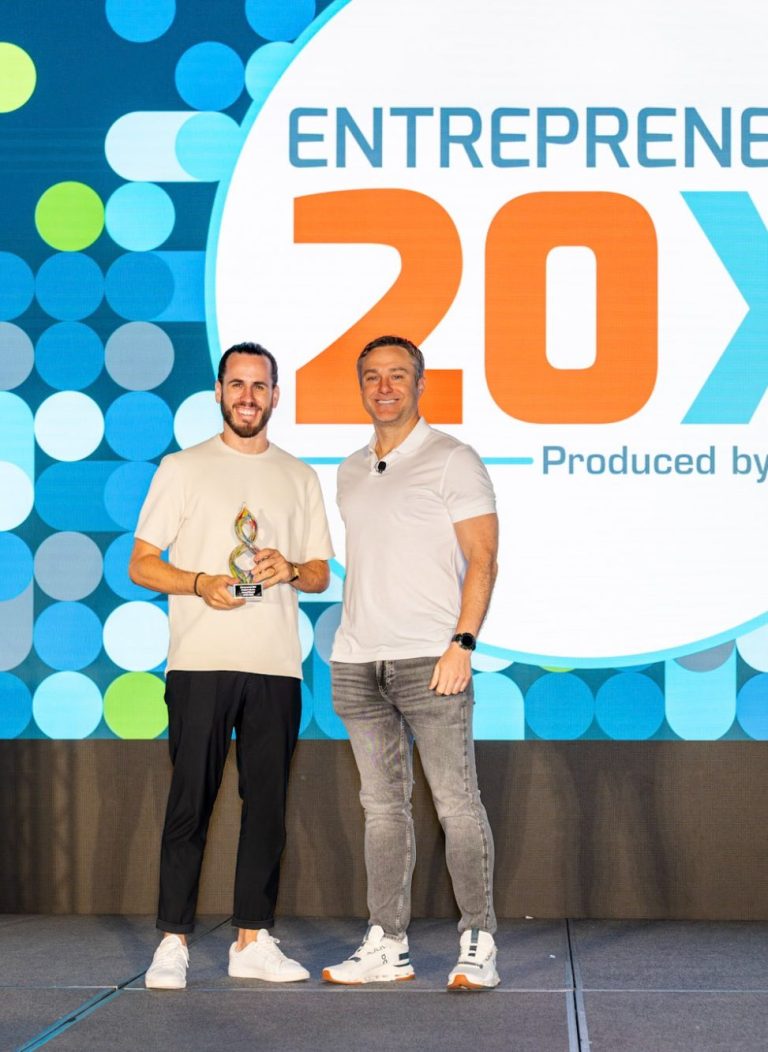
At HITEC 2026 in San Antonio, over 6,100 professionals watched agentic AI go from buzzword to game-changer. From Revinate’s Ivy automating 80% of guest inquiries to Samsung’s stunning new Frame Hospitality displays, the event was packed with real tools and tough questions. Discover this year’s E20X winners and find out why they could completely change how hotels balance cutting-edge innovation with the human touch that guests actually love.