HITEC 2026 Recap: Agentic AI, Startup Energy, and the Future of Hospitality Take Center Stage in San Antonio
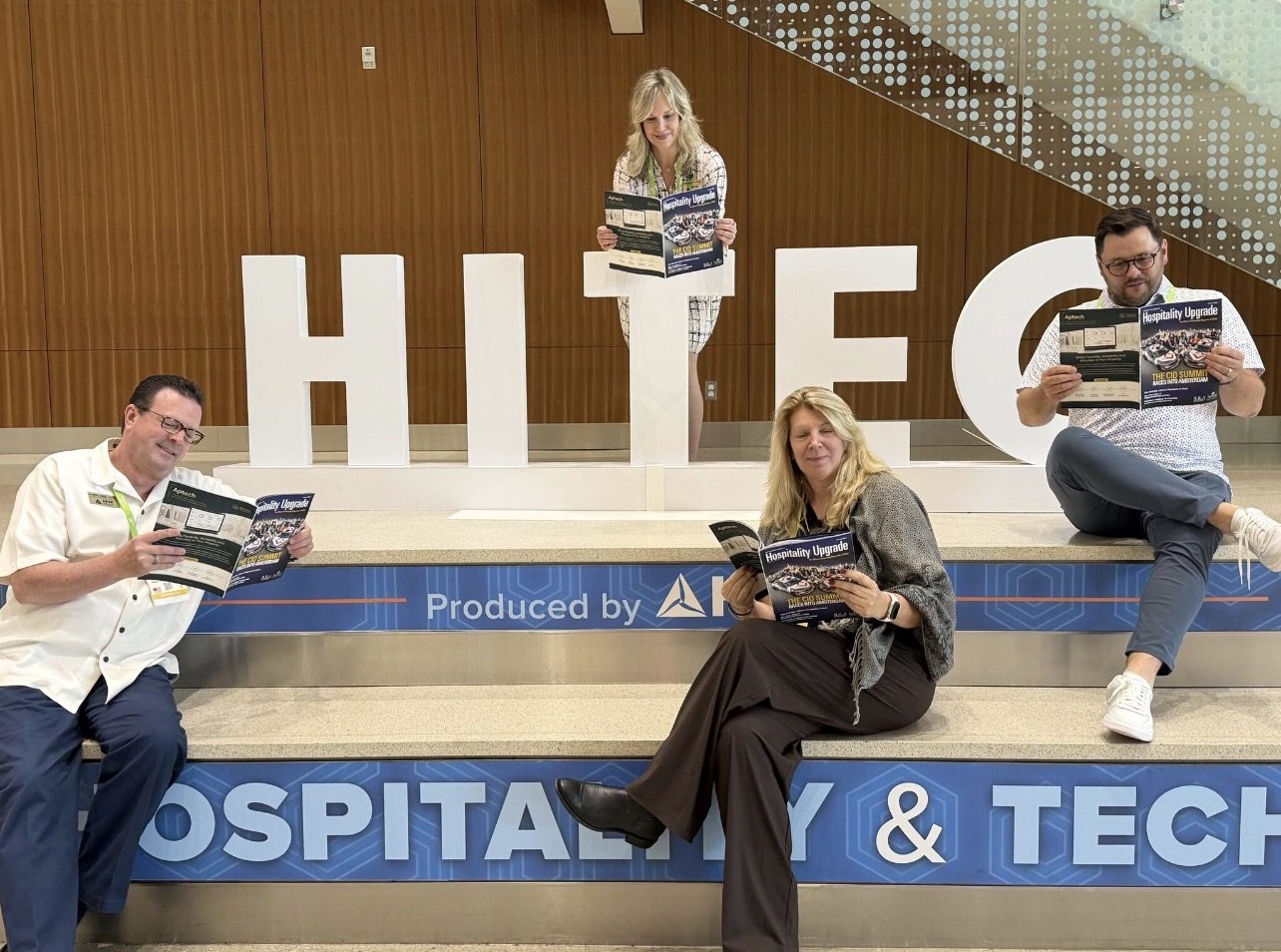
"HOT off the press with the summer issue of Hospitality Upgrade" - Photo Credits: Sherry Marek
By Nathan Snyder
June 20, 2026
San Antonio, Texas — For four days in mid-June, the Henry B. González Convention Center became the beating heart of hospitality technology. More than 6,100 professionals — GMs, owners, CIOs, revenue leaders, and vendors — converged for HITEC 2026, transforming the city into a living laboratory where the future of the industry was not just discussed, but actively built.
The dominant storyline was clear from the moment the doors opened: agentic AI has arrived. No longer content to chat with guests or generate reports, these new systems are taking action — adjusting prices, extending stays, rerouting housekeeping during flight delays, and bridging once-siloed platforms. Yet amid the excitement, a more nuanced conversation emerged: how do we harness this power without losing the human soul that defines great hospitality?
The AI Surge on the Show Floor
From the opening sessions, the momentum was unmistakable. Revinate unveiled Ivy, a decision-intelligence layer capable of automating up to 80% of routine guest inquiries, freeing front desk and operations teams to focus on higher-value interactions. Samsung introduced The Frame Hospitality Model, bringing artful, customizable displays into guest rooms. Across the floor, vendors showcased everything from data normalization tools to hybrid guest service platforms, all aimed at turning raw information into actionable intelligence.
Hospitality Net’s launch of the 2026 Hotel Yearbook “AI Everywhere” — packed with 40 expert articles, 26 solution snapshots, and a comprehensive AI glossary — became one of the most sought-after takeaways. The publication underscored a growing industry consensus: AI is no longer experimental. It is operational.
Sessions like “Distribution 2.0” sparked lively debate about the return of the “travel agent” — this time in artificial form — while “The Dark Side of AI” panels candidly addressed energy costs, job impacts, and ethical concerns. James Taylor’s headliner brought the conversation back to center, reminding the audience that human curiosity paired with intelligent tools remains the most powerful combination.
E20X: Where the Future Is Being Born
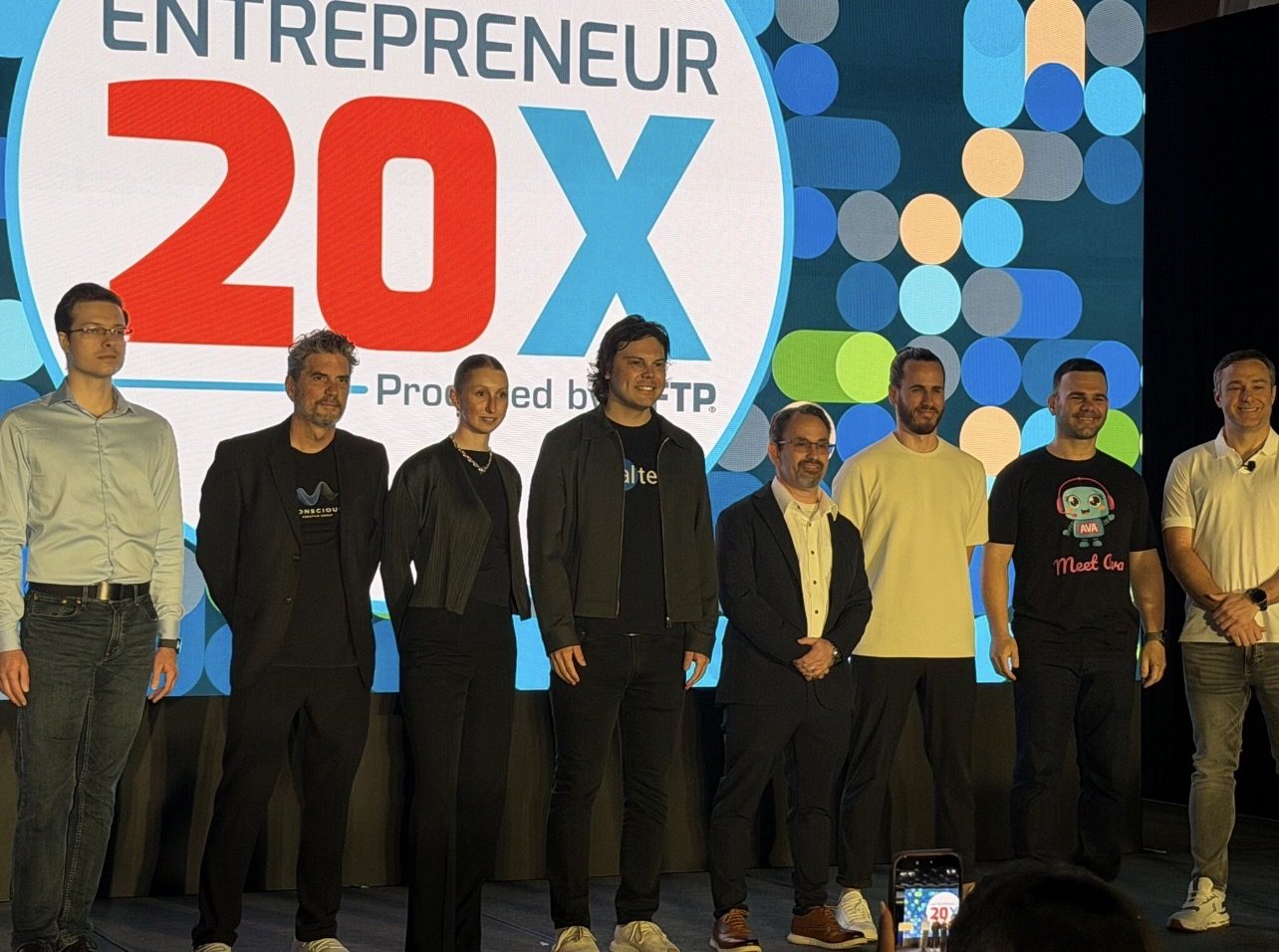
The E20X 2026 cohort on stage at HITEC San Antonio. A standout moment celebrating the next generation of hospitality technology innovators. Photo Credit: Bradley Hoegl
One of the most electric areas of the event was the E20X (Entrepreneur 20X) startup pitch competition. Tucked into a vibrant corner of the convention center, the E20X zone buzzed with a different kind of energy — youthful, ambitious, and full of raw potential. Attendees packed the standing area and sat cross-legged on the floor as eight promising companies took the stage, pitching bold ideas with the urgency of founders who know they’re competing for attention among the industry’s biggest players.
The atmosphere was electric: bright lights, colorful backdrops, and a palpable sense of possibility in the air. You could feel the crowd leaning in during each pitch, nodding along as startups demonstrated tools for everything from revenue optimization to smarter guest interactions. Laughter, spontaneous applause, and energetic Q&A sessions made it clear — this wasn’t just another startup showcase. It was where the next wave of hospitality innovation was being born in real time.
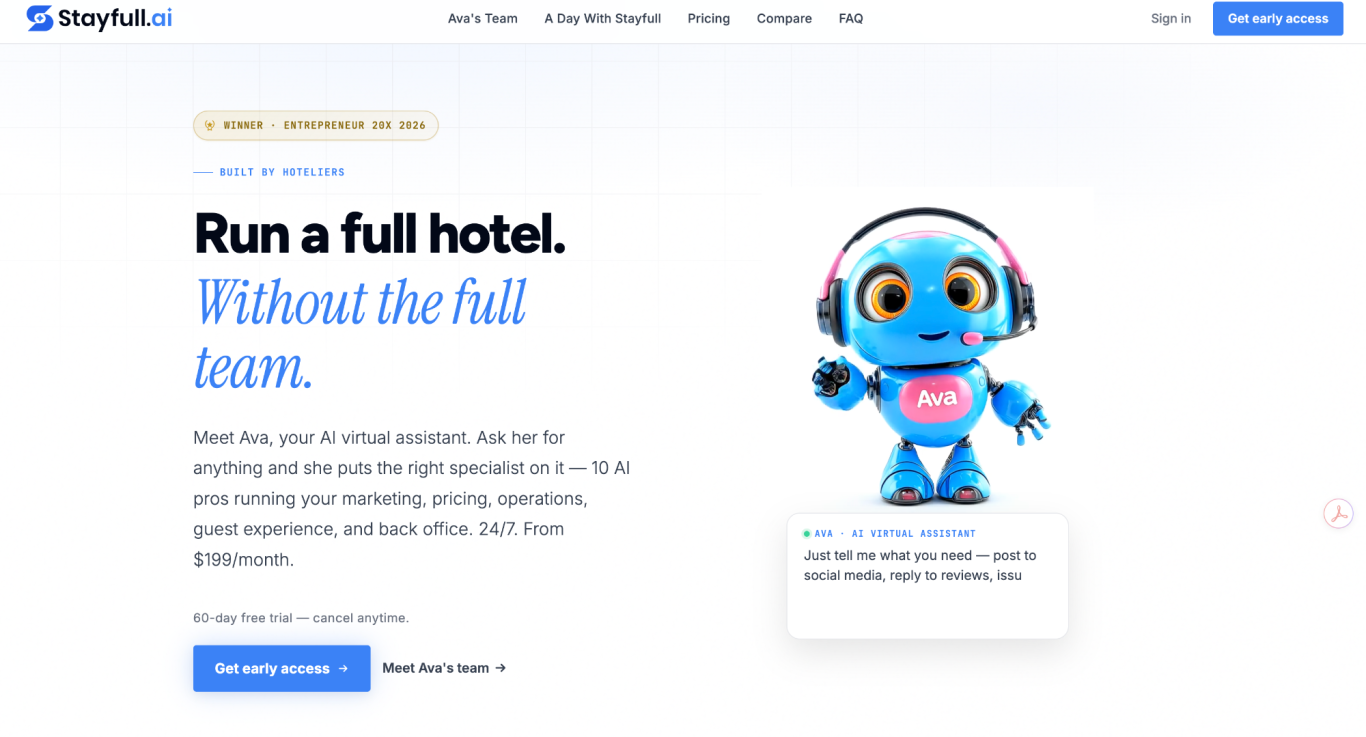
Judge’s Choice: Stayfull.ai Stayfull.ai took home the Judge’s Choice award for its intelligent platform that helps hotels turn short stays into longer, more profitable ones. By analyzing guest behavior and booking patterns in real time, the system automates personalized extension offers, boosting RevPAR while making upgrades feel natural and guest-centric. For properties battling compressed booking windows, Stayfull.ai offers a practical revenue tool that integrates without major system overhauls.
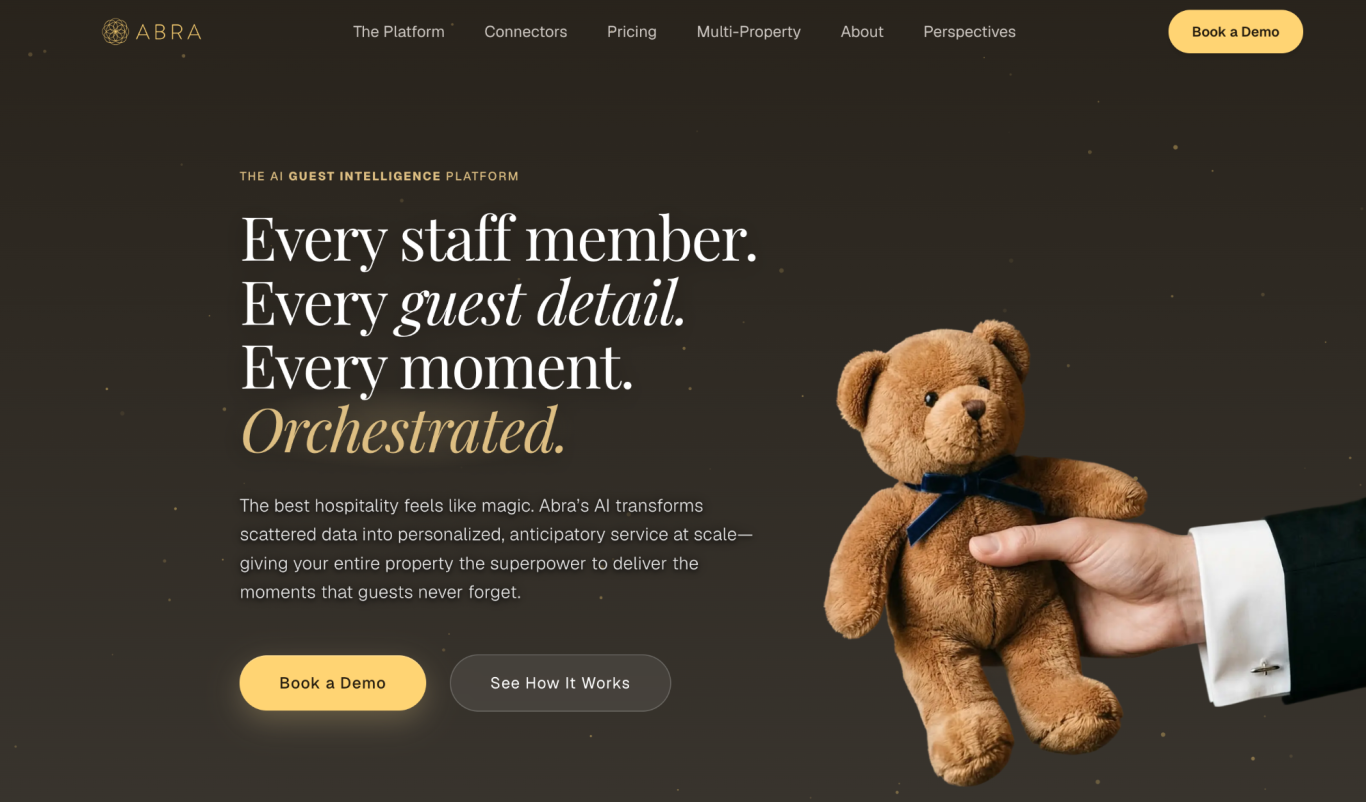
People’s Choice: Abra captured captured the People’s Choice honor with its user-friendly AI Guest Intelligence Platform designed to help operations teams unify scattered guest data and effortlessly deliver personalized service. Attendees responded strongly to its emphasis on quick implementation and measurable ROI, voting it as the most immediately useful solution for busy GMs and front desk teams.
These winners, along with the broader E20X cohort, reinforced a key theme echoing throughout the event: the most successful innovations will be those that make technology feel invisible while making hospitality feel more personal. In an industry built on genuine connections and memorable guest experiences, the real winners aren’t the flashiest AI tools — they’re the ones that quietly remove friction, empower teams, and let the human element shine through. Whether it’s seamless stay extensions, smarter operations, or intuitive guest interactions, the future belongs to solutions that enhance — rather than replace — the warmth and attentiveness that define great hospitality.
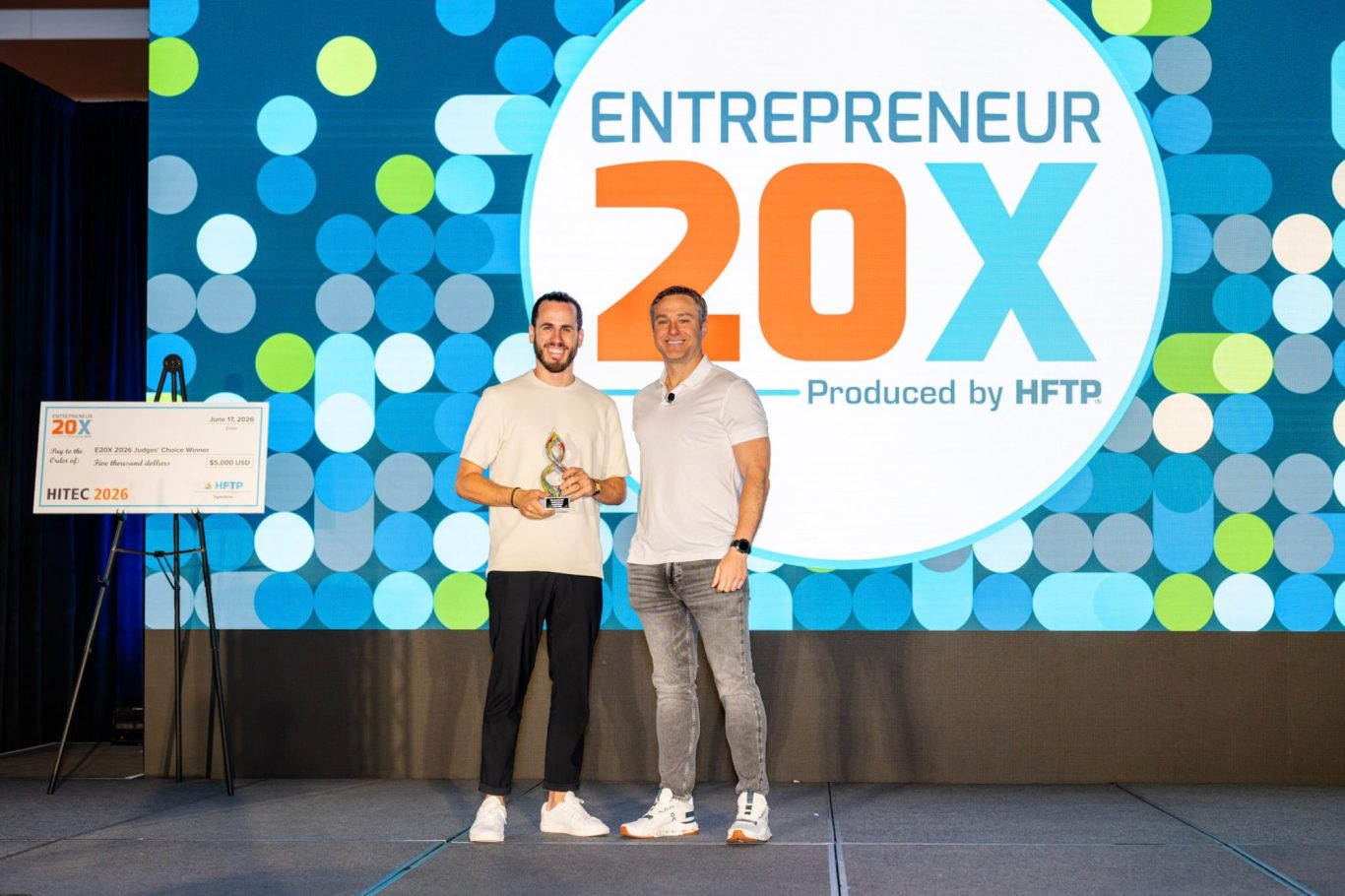
Abra Hospitality's Josh Ellis Accepting the First Place Peoples Choice Award Photo Credits: Official HITEC recap album.
Voices from the Floor
The real heartbeat of HITEC was found in the conversations — on the show floor, along the River Walk, and in late-night networking sessions.
Another standout moment came from Conscious Creative Group’s showcase of Ames, a custom interactive concierge and brand ambassador for The Palmer San Antonio. Designed as a living, property-specific voice assistant, Ames combines conversational AI with deep local knowledge — handling bookings, recommendations, and guest requests in 30 languages while sounding uniquely like the hotel itself. As Bradley Hoegl noted, “Ames isn’t a generic chatbot — it’s what happens when a hotel gets its own bespoke voice character.” This type of personalized, branded AI illustrated how technology can strengthen rather than dilute a property’s unique identity.
Russell A. Meek of Otelier captured the prevailing wisdom: “The operators who win won’t be the most technical — they’ll build the foundation (clean data, real governance) and have the courage to change how the work actually gets done.” Otelier’s Hotel Management Software helps operators do exactly that, enabling seamless optimization of hotel operations. Trusted by 10K+ properties worldwide, Otelier increases revenue, reduces costs, and saves time — turning insight into action for modern hospitality teams.
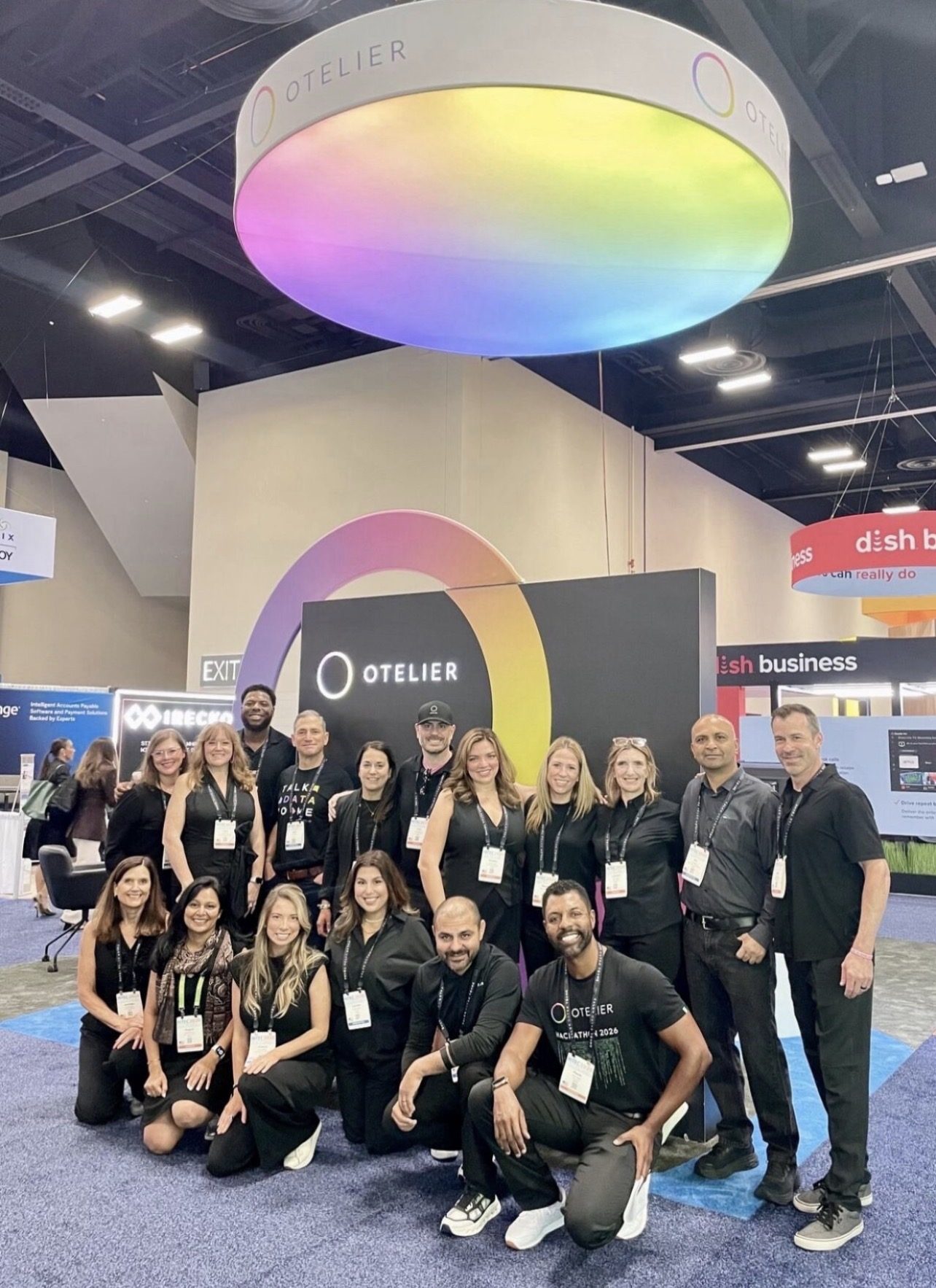
Meet Russell and the Otelier Team! Photo Credits: Russell Meek
Matt Teck, Erica Penley, Brian Mangano, Ella Steele, Shannon McCallum, and dozens of others shared stories on LinkedIn of meaningful connections, exciting discoveries, Michelin Star dinners, and even lighthearted moments like a sloth sighting at the airport. The HITEC app’s profile matching features were repeatedly praised for turning chance encounters into valuable relationships.
A closed-door roundtable on Day Three provided additional candid peer-to-peer insights, proving that some of the most valuable moments happened away from the main stage.
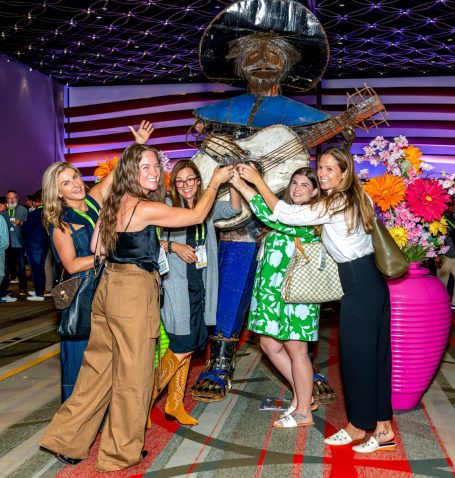
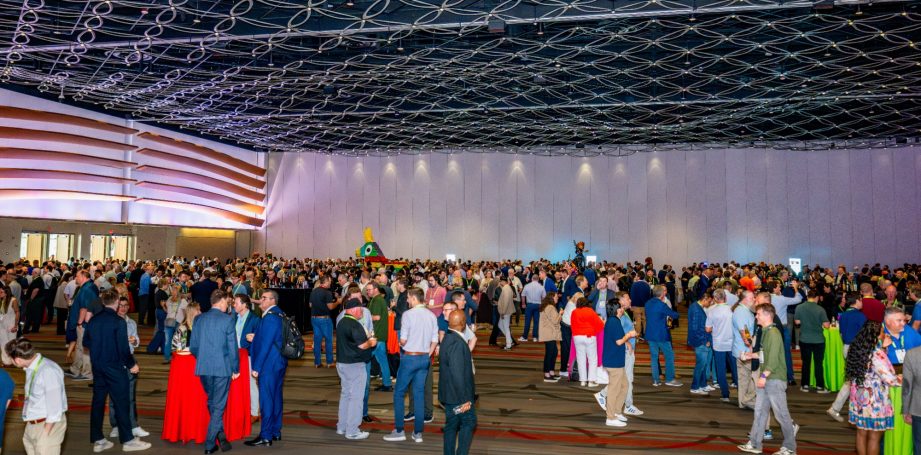
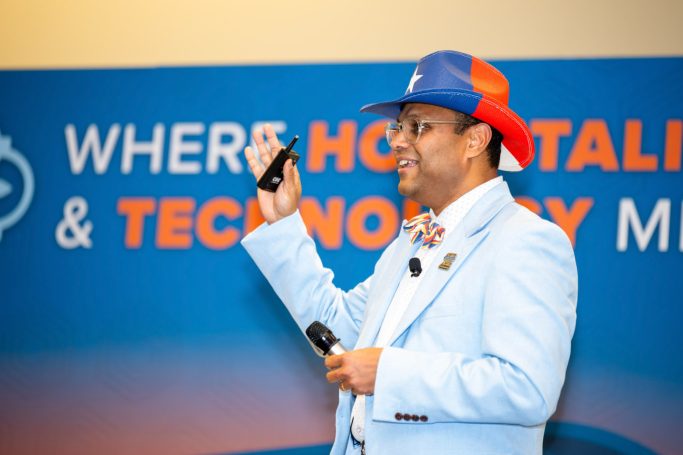
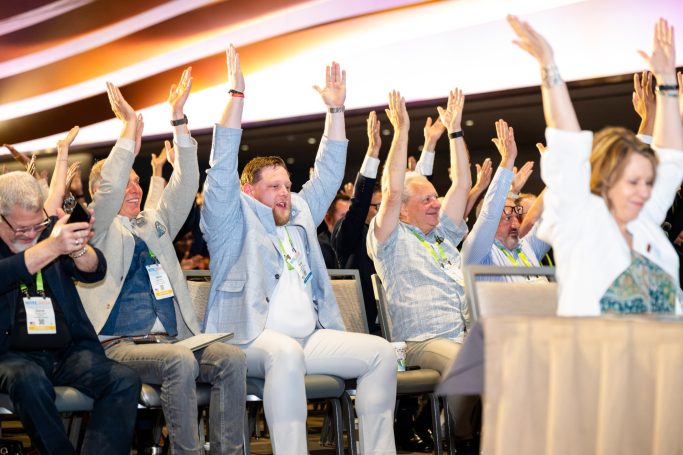
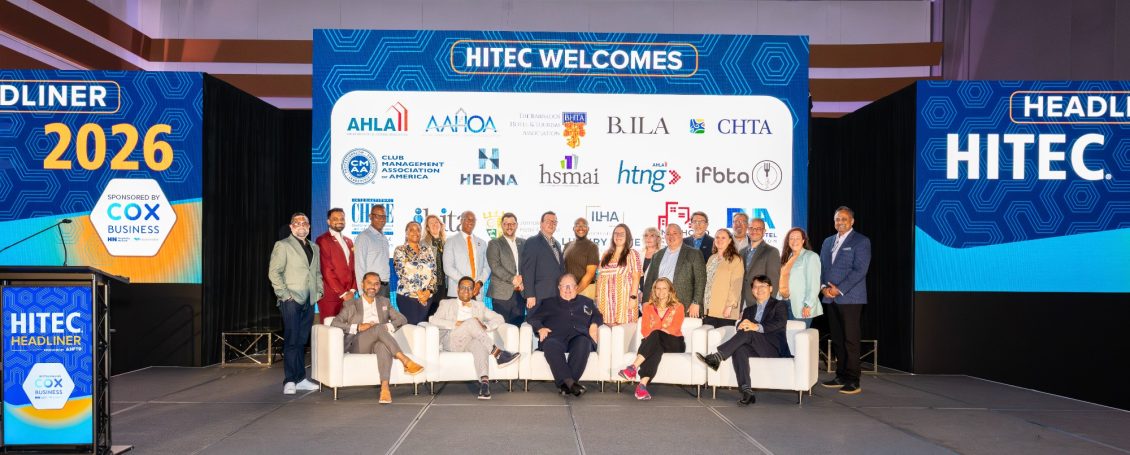
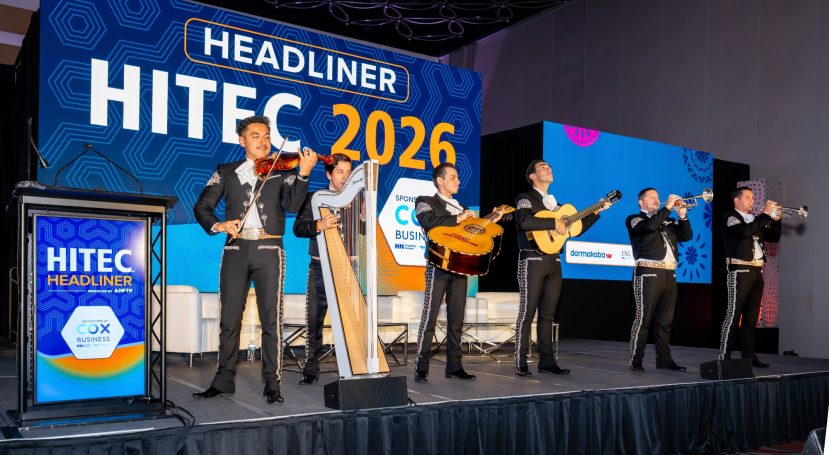
Photo Credits: Official HITEC recap album.
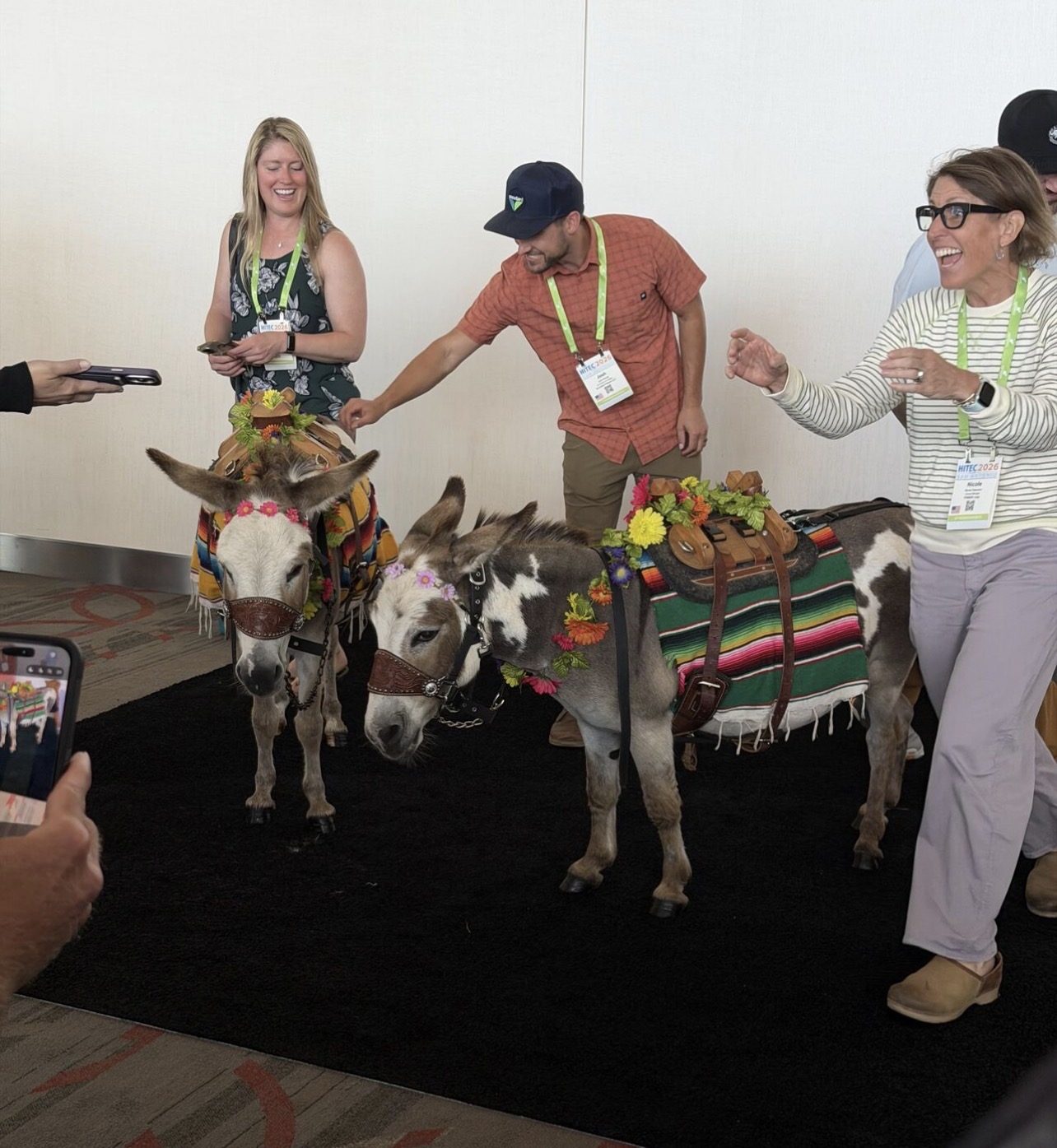
No Donkey Business Here - Just Pure HITEC Joy! Photo Credits: Russell Meek
The Road Ahead
As the lights dimmed on HITEC 2026 and attendees headed home — some still buzzing from River Walk conversations, others already sketching implementation plans — one truth stood out above the technology and the hype: hospitality’s future will not be defined by how sophisticated our systems become, but by how wisely we use them to serve people.
The tools are here. The conversations have begun. Now comes the real work — turning innovation into better guest experiences, stronger teams, and more resilient businesses.
The question is no longer whether AI will change hospitality. It is how we, as an industry, choose to shape that change together.
What was your biggest takeaway from HITEC 2026 — or which new idea are you most excited to bring back to your property? Share your thoughts in the comments below. We’ll feature selected operator perspectives in an upcoming issue.
Sources:
- Hospitality Upgrade – “HITEC 2026 Welcomes More Than 6,100 Hospitality Technology Professionals to San Antonio”
- Hospitality Net – Day Three recap and Hotel Yearbook launch coverage
- MarketScale – Revinate Ivy launch details
- Official HITEC site and attendee LinkedIn posts (Bradley Hoegl, Glenn Haussman, Russell A. Meek, Shannon McCallum, and others)
- Samsung Newsroom – The Frame Hospitality Model launch
Other Suggested Reads

Picture, if you will, a world not so very different from our own. A world where the lobbies still gleam with marble and warm light, where the scent of fresh coffee lingers in the morning air, and where the quiet hum of progress has begun to replace the weary footsteps of the night shift. It is a world where the line between human touch and mechanical precision grows thinner with every passing season — a place where the familiar rituals of hospitality are being quietly, relentlessly rewritten.
You have just crossed into… The Automation Zone.

Room revenue alone is no longer enough. In 2026, savvy boutique hotel owners are turning every guest touchpoint into additional profit — often adding $20–$75+ per occupied room in ancillary revenue. The best part? Many of these strategies require minimal upfront investment while significantly boosting margins and guest satisfaction.
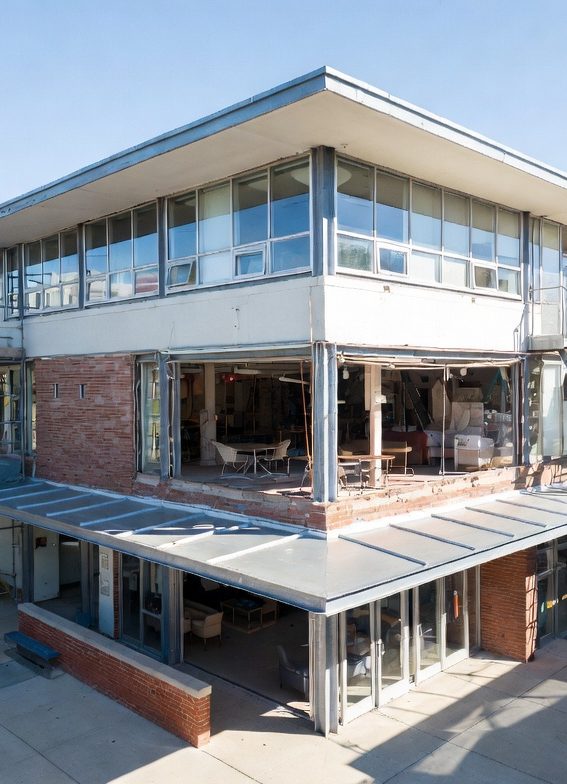
In the echoing corridors of the U.S. hospitality investment market, 2026 does not announce itself with the brass band of a broad-based recovery. It arrives instead as a study in divergence—a market that has, with some reluctance, accepted its own split personality.
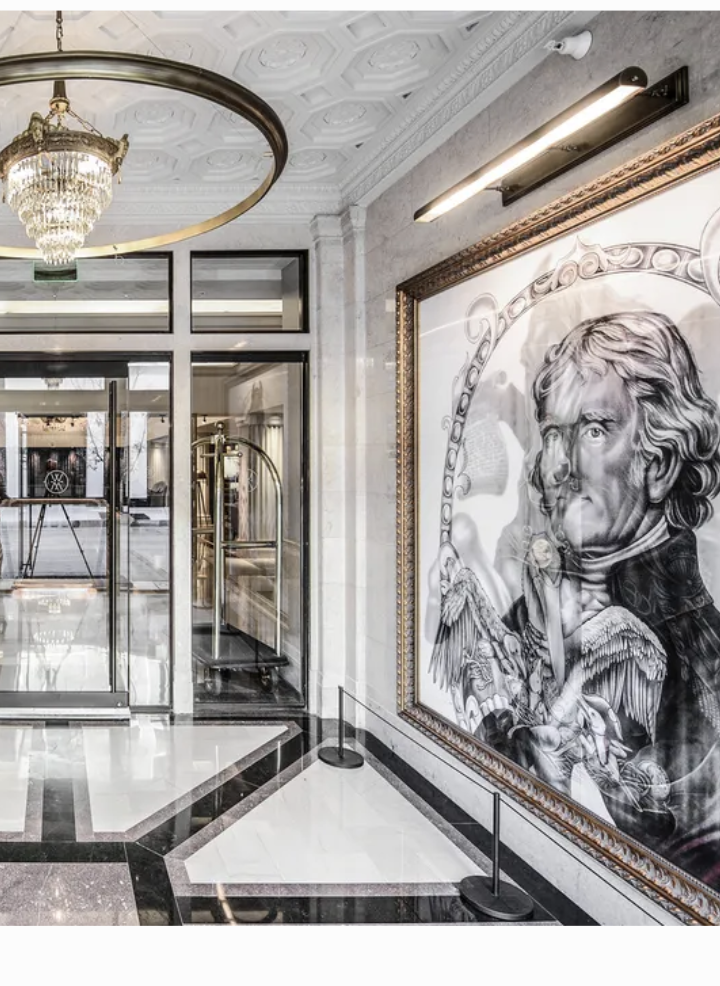
According to multiple industry reports, including analysis from JLL and HVS, the hospitality development landscape in 2026 is being shaped by elevated construction costs, constrained financing, and moderating demand growth. In this environment, adaptive reuse has gained significant traction as a viable and often superior alternative to ground-up hotel development.