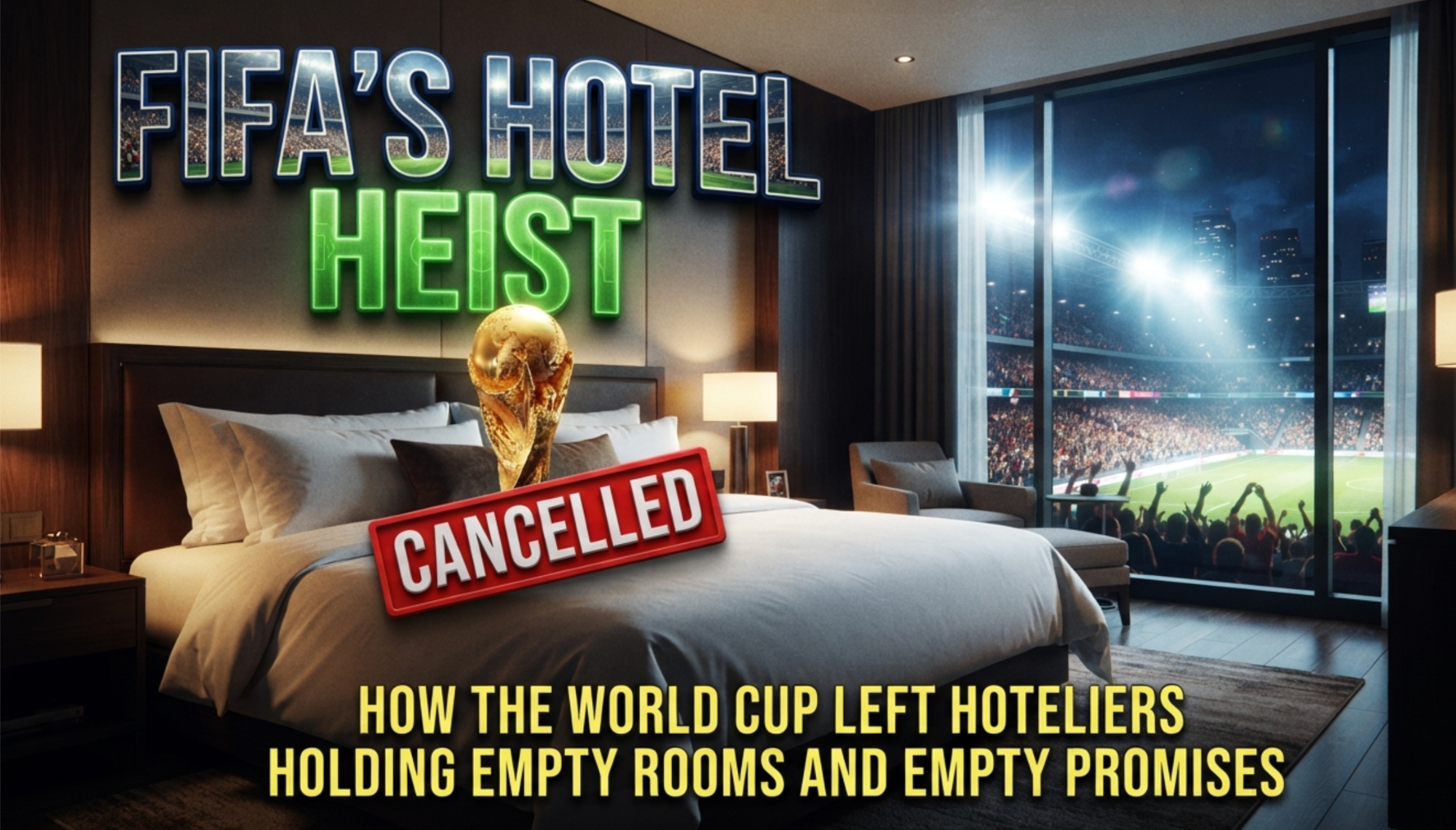
FIFA’s Hotel Heist: How the World Cup Left Hoteliers Holding Empty Rooms and Empty Promises
By Nathan Snyder
July 14, 2026
The hospitality industry entered 2026 with genuine optimism. From the moment the United States, Canada, and Mexico secured hosting rights for the FIFA World Cup, hotel revenue managers adjusted pricing aggressively, temporary staffing plans expanded, and major capital improvements were fast-tracked.
To prepare, FIFA’s accommodations team secured thousands of room nights across the 16 host cities for officials, sponsors, media, and technical staff. In Philadelphia alone, FIFA held approximately 10,000 room nights under contract; Kansas City reported peak blocks near 5,000 rooms per night.
Then, the cancellations arrived.
As permitted by their contracts, FIFA released up to 70 percent of its reserved inventory in major hub cities like Boston, Dallas, Los Angeles, Philadelphia, and Seattle about three months before kickoff. Greater Philadelphia Hotel Association CEO Ed Grose described the development as disappointing, noting that changes of this scale create immediate operational challenges. Virtually overnight, tens of thousands of anticipated room nights simply disappeared.
According to the American Hotel & Lodging Association’s (AHLA) Hotel Outlook report, nearly 80 percent of surveyed U.S. host-city hoteliers reported booking levels tracking well below initial forecasts heading into the summer. Kansas City stood out as particularly affected, with up to 90 percent of local operators characterizing early summer demand as disappointing. While FIFA noted that more than five million tickets had been sold and all room releases followed contractual timelines, tickets did not automatically convert into hotel bookings. International travelers confronted significant visa barriers, a strong U.S. dollar, elevated airfares, and FIFA’s own dynamic ticket pricing, which pushed certain matches into five-figure territory. Domestic travelers filled some of the gap, but they generally spend less and stay for shorter periods.
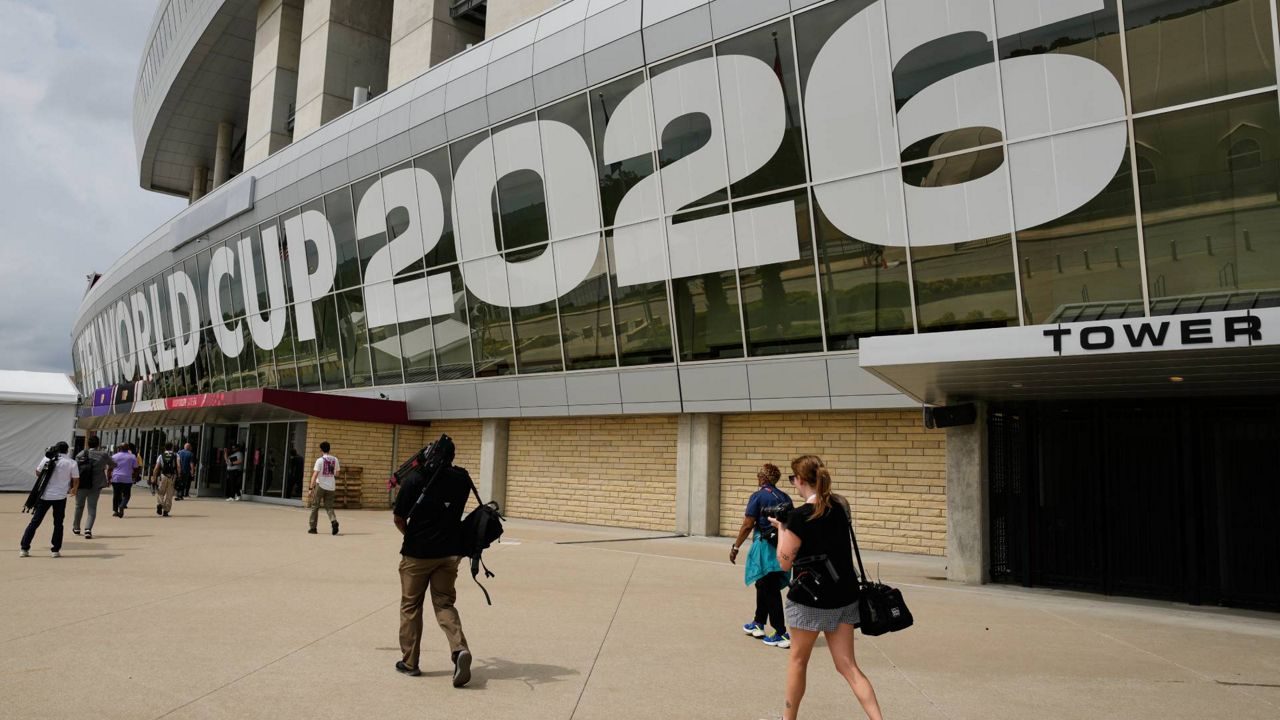
However, as the tournament enters its final stretch this July, hotel performance data is revealing a far more nuanced picture.
With the tournament currently in its high-stakes knockout stages—and the highly anticipated semifinals featuring France versus Spain in Dallas and England versus Argentina in Atlanta—host-city revenue per available room (RevPAR) is actually surging. Recent analyses from CoStar and Travel Weekly show that RevPAR has surpassed the original 13 percent year-over-year forecast, averaging well over 20 percent from mid-June onward.
Crucially, nearly all of those gains have stemmed from soaring average daily rates (ADR), which rose between 21 and 51 percent in strong markets like Miami. Occupancy, by contrast, has remained the weaker element—frequently flat or lower on both match days and shoulder periods. While the early cancellations inflicted real operational pain, a late-booking surge and agile pricing strategies have provided a meaningful, rate-driven recovery.
Still, the volatility of the past few months has left lasting implications for every role within the hotel ecosystem. Front-desk teams that prepared extensively for multilingual international arrivals have often encountered quieter nights and more domestic guests. Managers who constructed labor models around FIFA’s early signals found themselves overstaffed in June, while owners who authorized World Cup-specific activations watched many of those initiatives pause as operating costs continued to rise.
Furthermore, hotel brokers are already re-evaluating mega-event underwriting assumptions. The industry is realizing how unreliable any single large block truly is when free-cancellation rights can be exercised so close to arrival. There is an almost comic element to the situation—FIFA acting as the ultimate high-profile guest who books out the house only to largely withdraw—yet the financial lessons are serious.
When comparing early AHLA warnings with real-time performance data from CoStar and local association reports, a consistent pattern emerges: organizing bodies will always prioritize their own operational flexibility, leaving hotels to absorb the resulting volatility.
While the mid-tournament ADR recovery demonstrates that disciplined dynamic pricing remains a powerful tool, the complete arc of the 2026 World Cup serves as a cautionary tale. No single block, regardless of the prestige of the organization behind it, should ever be treated as guaranteed. For managers, front-desk professionals, owners, and brokers alike, this summer has rewritten critical assumptions about mega-event demand. The stadiums may be filled to capacity, but the hotels are learning a costly lesson that will undoubtedly influence contract negotiations for years to come.
References American Hotel & Lodging Association. (2026a, May 4). New report warns World Cup hotel boom may fall short of expectations. https://www.ahla.com/news/new-report-warns-world-cup-hotel-boom-may-fall-short-expectations American Hotel & Lodging Association. (2026b). U.S. hotel outlook report: FIFA World Cup 2026. https://www.ahla.com/resource/us-hotel-outlook-report-fifa-world-cup-2026 BBC Sport. (2026, May 20). Empty rooms & FIFA cancellations – US hotels fear washout. https://www.bbc.com/sport/football/articles/c9q34pxv79eo Business Traveller. (2026, April 23). US hotels cut summer rates amid weak demand for World Cup bookings. CoStar. (2026a, July 2). World Cup fuels record US hotel rates as demand shifts beyond host cities. CoStar. (2026b, June 18). US hotels kick off World Cup summer with a solid revenue goal. Greater Philadelphia Hotel Association. (2026). Statements reported in Travel Weekly regarding Philadelphia cancellations. Hotel Dive. (2026a, May 4). US hotel bookings for World Cup ‘tracking below initial forecasts’: AHLA. Hotel Dive. (2026b). Hotels in World Cup host cities exceed initial RevPAR forecast. Lighthouse Intelligence. (2026, May 10). FIFA room cancellations add pressure to World Cup 2026 hotel demand. Middle East Eye. (2026, June 22). World Cup 2026: Why some US hotels aren’t cashing in on tourism surge. Skift. (2026, June 20). World Cup Week 1: Boosting hotel revenue, but not always occupancy. Sports Illustrated. (2026, April 15). Why U.S. hotel prices are getting ‘slashed’ for the 2026 World Cup. Sports Travel Magazine. (2026). 2026 FIFA World Cup: Lodging hits and misses. The Athletic. (2026, May 4). Hotels in U.S. World Cup host cities claim underwhelming demand, new report says. Travel Weekly. (2026a, March 27). World Cup room-block cancellations dim some hopes for outsize boost. Travel Weekly. (2026b). Revenue surges in U.S. host cities for World Cup. Yahoo Finance. (2026). World Cup: Why US hotels may not be seeing the turnout they expected. Additional supporting analyses drawn from Far Out Magazine (2026) FIFA hotel scandal reporting; Fort Worth Report/KERA (2026) Dallas-Arlington cancellations; CoStar STR weekly reports through early July 2026; AHLA Front Desk Feedback surveys; and local hotel association statements from Philadelphia and Kansas City.
Other Suggested Reads

Picture, if you will, a world not so very different from our own. A world where the lobbies still gleam with marble and warm light, where the scent of fresh coffee lingers in the morning air, and where the quiet hum of progress has begun to replace the weary footsteps of the night shift. It is a world where the line between human touch and mechanical precision grows thinner with every passing season — a place where the familiar rituals of hospitality are being quietly, relentlessly rewritten.
You have just crossed into… The Automation Zone.

Room revenue alone is no longer enough. In 2026, savvy boutique hotel owners are turning every guest touchpoint into additional profit — often adding $20–$75+ per occupied room in ancillary revenue. The best part? Many of these strategies require minimal upfront investment while significantly boosting margins and guest satisfaction.
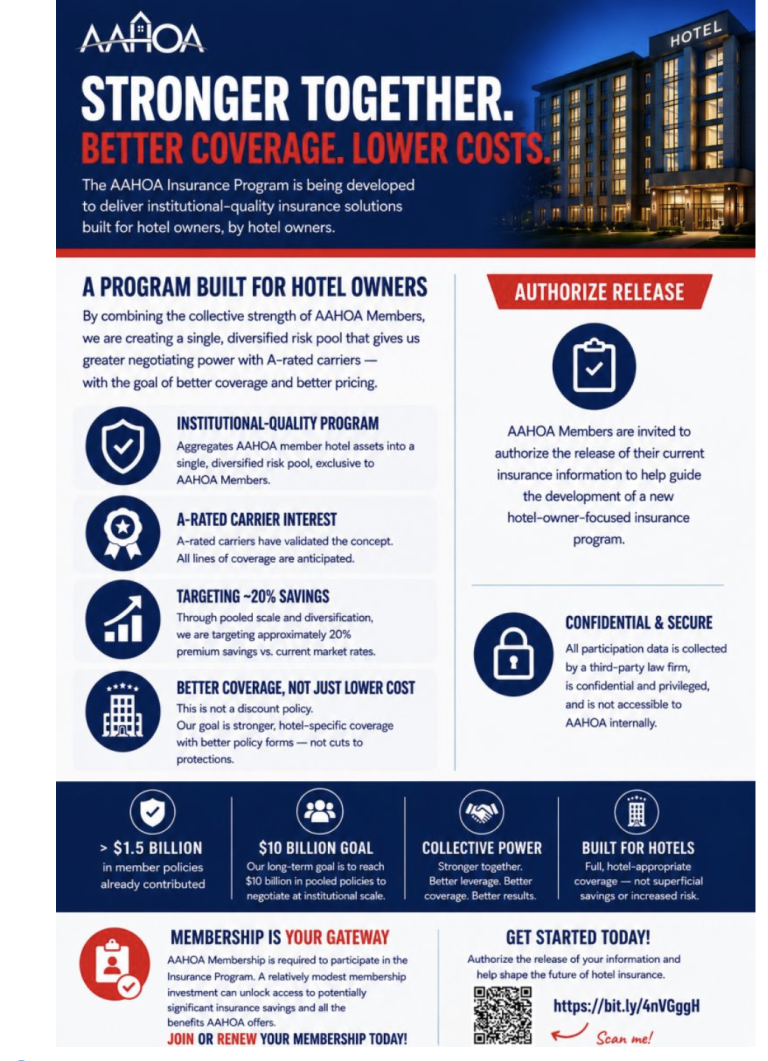
Find Out How You Could Slash Your Hotel Insurance Premiums by Up to 20% in 2026–2027 Thanks to AAHOA’s New Game-Changing Insurance Program
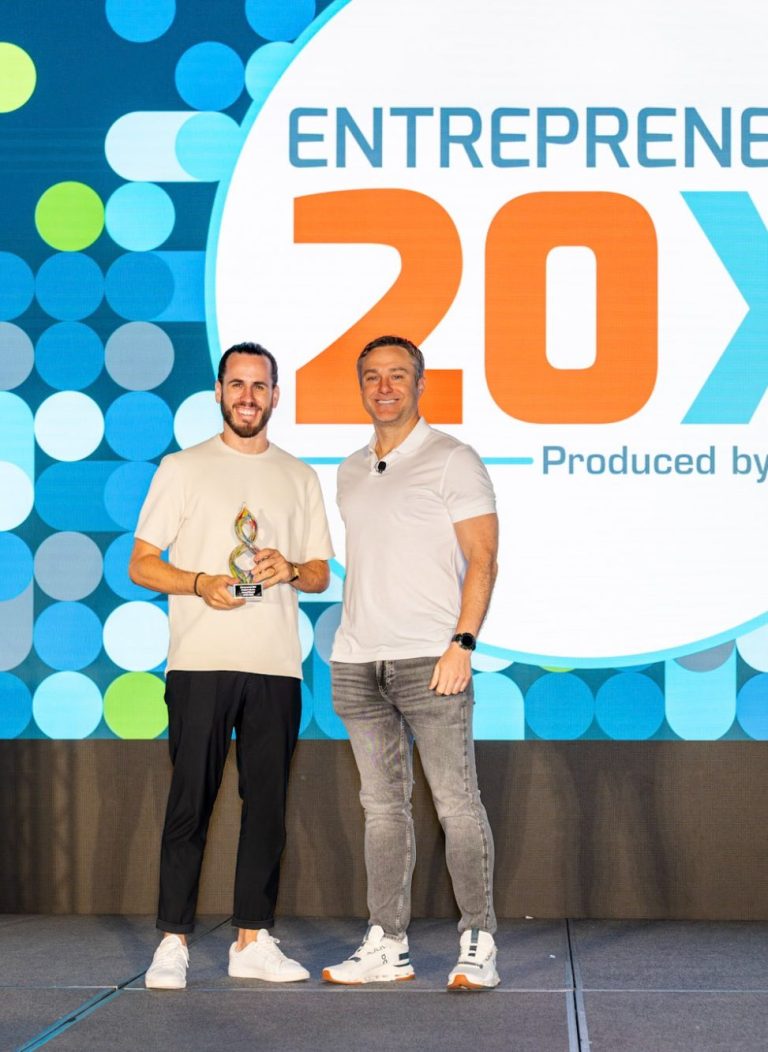
At HITEC 2026 in San Antonio, over 6,100 professionals watched agentic AI go from buzzword to game-changer. From Revinate’s Ivy automating 80% of guest inquiries to Samsung’s stunning new Frame Hospitality displays, the event was packed with real tools and tough questions. Discover this year’s E20X winners and find out why they could completely change how hotels balance cutting-edge innovation with the human touch that guests actually love.