FIFA World Cup 2026: Smart Strategies for Hoteliers to Maximize Revenue and Guest Experience

Late-booking trends create fresh opportunities — here’s how independent and boutique hoteliers can capitalize on dynamic pricing, spillover demand, and ancillary revenue during the 2026 FIFA World Cup.
The 2026 FIFA World Cup is underway across North America, delivering a massive influx of soccer fans, media, and corporate travelers to host cities and spillover markets. With 104 matches across 16 cities in the US, Canada, and Mexico, this is one of the largest sporting events in history.
However, early booking data has been softer than many anticipated, creating both challenges and opportunities for independent and boutique hotel owners.
Current Reality Check
Recent reports show that hotel bookings in many U.S. host cities are tracking below initial forecasts, with approximately 80% of hoteliers reporting softer demand due to factors like high ticket prices, visa challenges, and last-minute booking behavior.
History from previous World Cups suggests that a large share of accommodations is often booked within 30 days of matches, particularly as teams advance. This late-booking pattern means there is still significant revenue potential if you adapt quickly.
Key FIFA Strategies for Hotel Revenue Management
- Embrace Dynamic and Flexible Pricing Avoid aggressive price gouging. Use dynamic pricing tools that adjust rates based on match schedules, team progress, and real-time demand. Implement minimum stay requirements for peak nights while offering attractive packages for shoulder dates.
- Target Spillover and Regional Demand Properties outside primary host cities can benefit by promoting packages that combine matches with regional tourism, day trips, fan zones, or multi-city itineraries. Highlight proximity to transportation and attractions.
- Boost Ancillary Revenue Streams Focus beyond room revenue with World Cup-themed F&B menus, watch parties, multilingual support, early/late check-in upsells, shuttles, and local partnerships.
- Optimize for Direct Bookings Drive direct reservations through urgency messaging, personalized offers, and strong website CTAs. This protects margins from high OTA commissions.
- Operational Preparedness
- Forecast staffing and supplies early.
- Cross-train staff and prepare for international guests with multilingual tools and cultural sensitivity.
- Monitor supply chains and place advance orders.
- Re-forecast frequently as the tournament progresses.
Turning the World Cup into Long-Term Gains
Beyond immediate revenue, deliver exceptional service to generate glowing reviews and repeat business. Collect guest data (with consent) for future marketing.
Action Steps Right Now:
- Update your website with World Cup keywords and packages.
- Load match dates into your revenue management system.
- Partner with local tourism boards.
- Stay flexible with pricing and cancellations.
Prepared hoteliers who emphasize value, flexibility, and guest experience will capture the strongest results — both financially and for long-term brand building.
Sources / Further Reading (add this at the bottom of the article or in a newsletter footer):
- American Hotel & Lodging Association (AHLA) FIFA World Cup 2026 Hotel Outlook Report
- Hotel Dive reporting on booking trends
- Industry analyses from CoStar, AirDNA, and revenue management experts
Other Suggested Reads

Picture, if you will, a world not so very different from our own. A world where the lobbies still gleam with marble and warm light, where the scent of fresh coffee lingers in the morning air, and where the quiet hum of progress has begun to replace the weary footsteps of the night shift. It is a world where the line between human touch and mechanical precision grows thinner with every passing season — a place where the familiar rituals of hospitality are being quietly, relentlessly rewritten.
You have just crossed into… The Automation Zone.

Room revenue alone is no longer enough. In 2026, savvy boutique hotel owners are turning every guest touchpoint into additional profit — often adding $20–$75+ per occupied room in ancillary revenue. The best part? Many of these strategies require minimal upfront investment while significantly boosting margins and guest satisfaction.
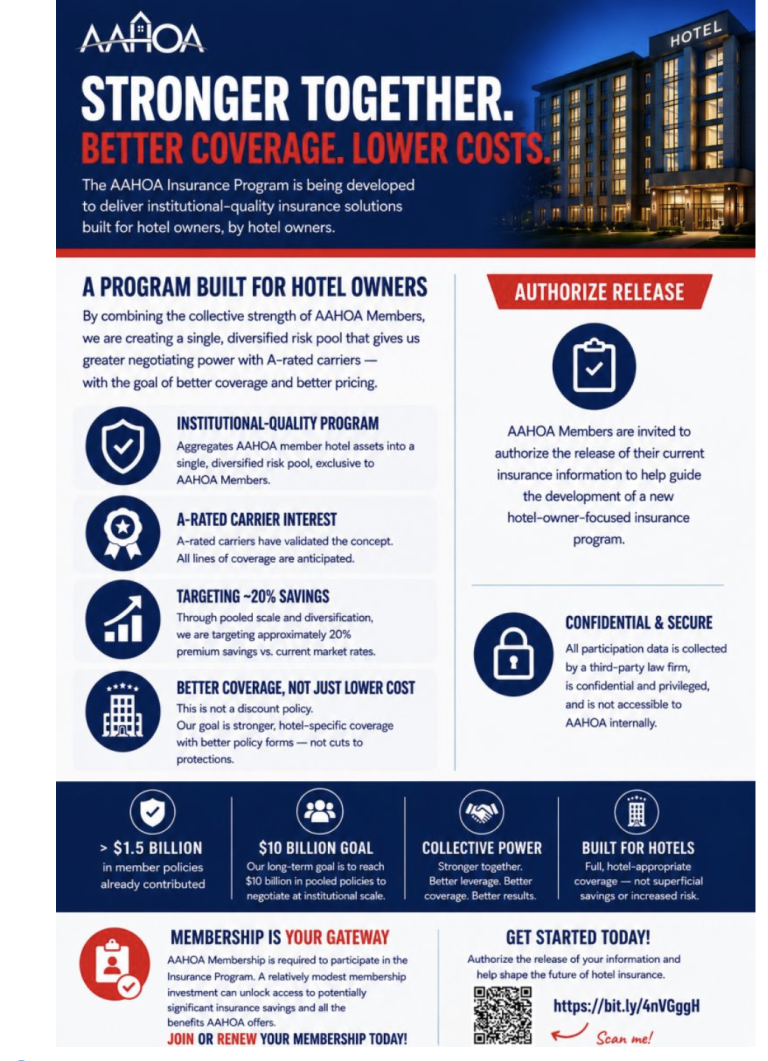
Find Out How You Could Slash Your Hotel Insurance Premiums by Up to 20% in 2026–2027 Thanks to AAHOA’s New Game-Changing Insurance Program
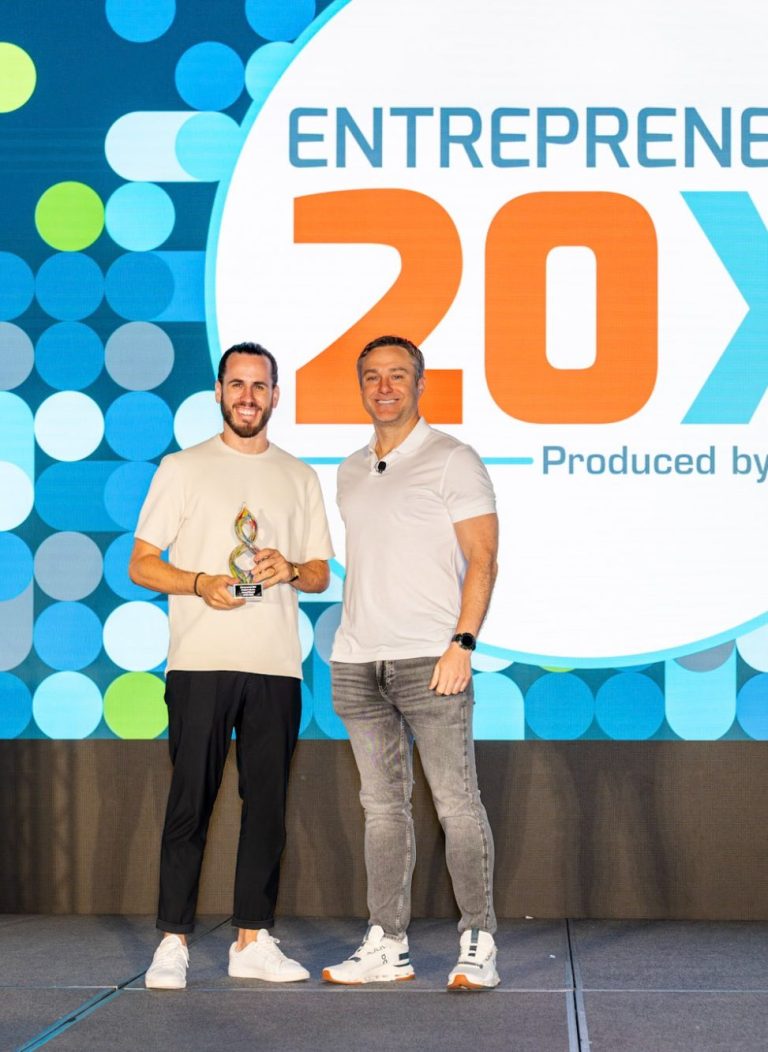
At HITEC 2026 in San Antonio, over 6,100 professionals watched agentic AI go from buzzword to game-changer. From Revinate’s Ivy automating 80% of guest inquiries to Samsung’s stunning new Frame Hospitality displays, the event was packed with real tools and tough questions. Discover this year’s E20X winners and find out why they could completely change how hotels balance cutting-edge innovation with the human touch that guests actually love.